


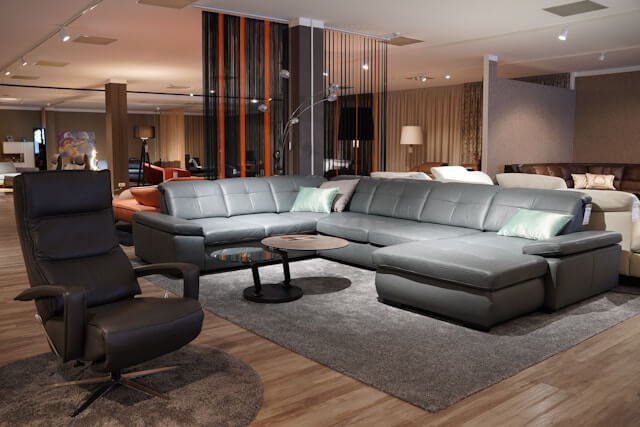
If you ask anyone in Tucson about buying a couch, odds are Sam Levitz Furniture comes up first. The locally-owned furniture store chain had been around for as long as most people remember. But now, after more than seven decades in business, the answer to whether Sam Levitz is going out of business is simple: Yes, they’re closed for good.
When Did Sam Levitz Furniture Close?
The process wasn’t exactly overnight. In July 2024, the company closed the first of its last three stores. That left two more stores operating in Tucson, which most locals figured would keep plugging away for a while. But by October 2024, those final stores had signs announcing a storewide liquidation and a total shutdown. That marked the end of Sam Levitz Furniture’s run, with no remaining storefronts in Tucson or anywhere else.
All closures were managed through a big liquidation sale run by Planned Furniture Promotions (known in the industry for running end-of-business sales in situations like this). The clearance ran into the fall, bringing in regulars hoping for a deal while others just stopped by to say goodbye.
How Was the Closure Announced?
For a while, there were rumors but nothing official. Some regular customers heard things from staff, but the company kept it quiet until the final month. In October 2024, managers finally put out a public statement about closing. There was no “pivot” or soft rebrand. The news was blunt: All stores were closing, inventory would be sold, and operations would end after over 70 years of business.
At its peak, the business ran six Tucson-area storefronts. Even in 2023, during its last full year, Sam Levitz Furniture posted $83.5 million in sales according to Furniture Today, which put them in the top 100 furniture retailers nationally.
Aftermath for Customers and Legal Issues
When any long-running business shuts down, people are left scrambling. Some landlords, it turns out, weren’t given much warning. Shortly after the closures, news came out that a former landlord filed a lawsuit against Sam Levitz Furniture. The claims focused on the company closing without sufficient notice, which violated their lease, and failing to pay some outstanding rent.
For customers, the effects hit closer to home literally. Several people reported putting down money on new furniture in the months before the store shut down, expecting delivery later. But as the doors closed, those orders weren’t always fulfilled. Some were left waiting on refunds or with no contact, leading to complaints to local news and consumer protection groups. It was a rough end for a company that built its reputation on treating customers well.
The Story Behind Sam Levitz Furniture
Sam Levitz Furniture wasn’t just a business it was really a family operation. The original founder, Sam Levitz, opened up in 1953 after moving to Tucson from Pennsylvania. For decades, the family was always involved in day-to-day management. Eventually, Sam R. Levitz, the founder’s son, officially took the reins in 1991. He kept the business focused on the same formula: treat customers fairly, take care of employees, offer big selection at what shoppers felt were fair prices.
Other family members joined in along the way. Daughters Kandie Levitz and Kathi Levitz handled operations and marketing. Amber Levitz, part of the third generation, became well-known in furniture circles for her leadership and fresh ideas. In fact, Amber even received a 2022 industry award for innovation, and in the store’s final year, she was developing plans for a new “Lounge by Levitz” store concept that would have focused on high-end furnishings. That new concept never made it past the drawing board.
What Did Sam Levitz Furniture Mean to Tucson?
Ask people in Tucson, and they’ll tell you Sam Levitz Furniture was bigger than just beds and sofas. The Levitz family was known for donating to local causes, pitching in about $200,000 a year to Tucson charities and schools. Some longtime employees stayed on for decades, and the company had a reputation for hiring from within.
If there was a city fundraiser or local campaign, there was a good chance Sam Levitz Furniture was a sponsor. Several annual community drives to help children and underserved neighborhoods had Levitz support either through money, furniture donations, or time from family and staff. These weren’t just ad campaigns; they reflected the Levitz family’s real stake in Tucson’s growth and well-being.
It wasn’t unusual to see Levitz trucks at charity events or employees organizing holiday donation drop-offs. That sense of community made their closure sting more for many Tucson families.
Any Chance Sam Levitz Will Reopen?
At this point, it’s a done deal. There’s been no sign of a revival, a new ownership group, or plans for rebranding. Rumors about a possible comeback have floated in some business circles, but nothing concrete has come to light. The closure announcement was clear: Sam Levitz Furniture’s 71-year run ended in October 2024. No social media teasers, no “closed for remodeling,” no cryptic hints about a return.
If you look around the furniture industry lately, there’s a definite trend of old-school stores shutting down. Even big chains and national names have faced headwinds as shopping habits shift, costs go up, and online sellers take more business. Between 2024 and 2025, several competitors in the industry have also filed for bankruptcy or closed locations. Sam Levitz Furniture’s end fits in with that pattern. It’s less about one bad move and more about the tough math facing regional retailers.
Options for former shoppers now mainly involve looking to national furniture chains, online-only sellers, or smaller local stores. And some Tucson entrepreneurs are even looking for ways to fill the gap the Levitz family left behind. If you’re considering starting up something on your own, guides on building up a side business could help, like this one at SideBusinessTips.com.
Looking Back and What Comes Next
So where does this leave Tucson? There’s a hole you can see it both in empty storefronts and in those missing connections between a business and its community. While the Levitz family hasn’t announced what they’ll do next, their story is a case study in how even well-run, well-liked businesses face big challenges from changing markets and costs.
For customers left with an unpaid order or waiting on a refund, some have filed complaints or joined efforts to pursue repayments. Meanwhile, the landlord dispute is still winding through the legal system. The practical details just don’t resolve as cleanly as the “closed” sign makes it seem.
For now, Tucson shoppers looking for that familiar Sam Levitz selection will have to choose elsewhere. The sign is down, the buildings are dark, and the trucks aren’t on the road. But as far as a business’s influence goes, the Levitz family’s impact in Southern Arizona won’t totally fade. People remember the good service, the deals, and especially the community work.
One thing is for sure: if you ever bought a couch, dining table, or just shopped for ideas on a weekend afternoon at Sam Levitz, you were part of the story. Seventy-one years is a long run for any local retailer. While it may feel a little emptier driving by those old storefronts, there’s a real legacy left behind just not in the way most people would have guessed a few years ago.
Also Read:
