


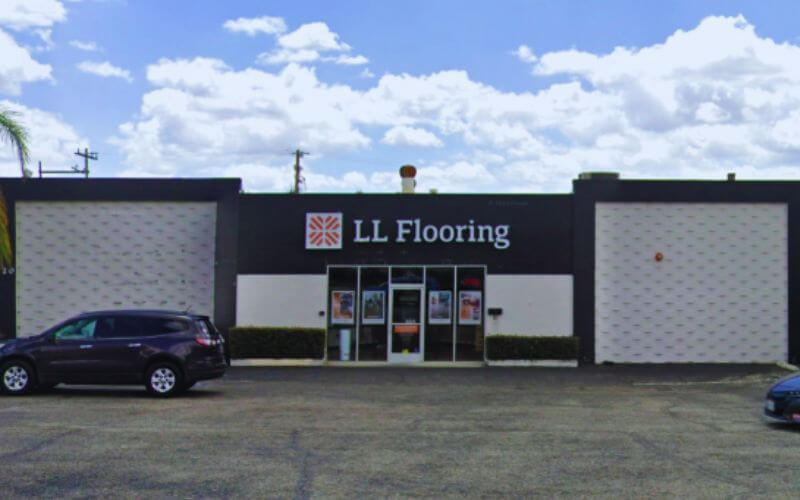
If you’ve shopped for hardwood flooring in the last decade, you’ve probably spotted Lumber Liquidators. The company has been around since 1994, known for its wide range of hard-surface flooring at prices plenty of homeowners found appealing. But over the years, it hasn’t always been smooth sailing.
The brand built a major presence in the home improvement market, even rebranding to “LL Flooring” back in 2021 as part of a fresh start. Fast forward to late 2024, and you might have seen headlines about bankruptcy, liquidation sales, and big changes at the company. So, let’s sort through the timeline and see where things stand right now.
The Road to Bankruptcy: Mounting Struggles
It’s not hard to see why folks started wondering if Lumber Liquidators was about to disappear for good. Heading into 2024, the company was feeling the pinch from a perfect storm: big debts, changing markets, and scars from past controversies.
First, there was the money problem. Lumber Liquidators was carrying around $110 million in long-term debt by the summer of 2024. That sounds huge, and it is especially when the rest of the business isn’t booming. The market for flooring and home improvement took a major hit after the pandemic-fueled buying frenzy cooled off. People just weren’t spending as much fixing up their homes, especially with inflation and rising interest rates making everyone cautious.
That drag on revenue made it tough for the company to keep up with creditors and run its 442 stores across the country.
How the Formaldehyde Scandal Haunts the Brand
If you’re familiar with the company’s story, you probably remember the 2015 *60 Minutes* report. Back then, the show claimed that Lumber Liquidators sold laminate flooring imported from China that didn’t meet U.S. standards for formaldehyde emissions a chemical that can have serious health effects in high concentrations.
The fallout was huge. The company eventually paid out $36 million to settle with customers and another $33 million in fines to shareholders. Lawsuits, negative news coverage, and trust issues lingered for years. It’s the kind of hit that doesn’t just disappear from a company’s reputation or its books.
Even as recently as 2016, the business was racking up more than $13 million in penalties over import violations tied to those same products. That baggage stuck around, making every new challenge like declining sales tougher to handle.
Bankruptcy and the First Steps to Restructure
By August 2024, the situation had reached a breaking point. The company, then called LL Flooring after its rebrand, filed for Chapter 11 bankruptcy. Chapter 11 is meant to give businesses breathing room to reorganize and come out stronger, rather than shut their doors entirely.
The original plan was to close 94 underperforming stores and keep about 300 to 350 running as they searched for a buyer. Lenders stepped up with $130 million in new financing, and leaders at the company made public statements about trying to save as many jobs and locations as they could.
At that stage, customers saw closing sales at some stores, but there was still hope the company would avoid disappearing completely.
From Restructuring to Liquidation
Things changed fast in September 2024. Despite early signs they’d find a buyer to operate the business, those plans didn’t work out. Negotiations fell through, and nobody was willing to take on the whole company as it was.
So, they announced something far more stark: up to 200 additional stores would begin closing, with an estimated 2,000 employees losing their jobs during 12-week liquidation sales. The new plan focused on selling off inventory and assets to pay back creditors essentially winding down what looked like the end of Lumber Liquidators for good.
For customers who still had store credits or orders in the system, there was a period where those would be honored, but it was clear the company itself was running out of road.
A Last-Minute Lifeline: F9 Investments Steps In
Right as it appeared the brand might vanish, a private equity firm called F9 Investments jumped in with a solution. F9, led by Bruce Sullivan, was actually the company’s biggest shareholder and had criticized the old management for years.
In a bankruptcy court-approved deal, F9 Investments agreed to buy the core assets most people associate with Lumber Liquidators: 219 stores, the warehouse and distribution hub in Virginia, inventory, company trademarks, and more. They didn’t take on the debts or the liabilities of the bankrupt entity they got the pieces that still had value and a chance at a future.
Most importantly, this move kept several hundred stores open and thousands of workers still employed, even if the overall operation was much smaller than before.
What’s Up With Lumber Liquidators Now?
So, is Lumber Liquidators still going out of business? No at least, not anymore. Thanks to the F9 rescue, the brand is back to its original name (ditching the “LL Flooring” update), and it’s running 219 stores across the United States as of early 2025.
Instead of a sprawling network, this new version of the company is leaner. Most stores are in regions with loyal customers who still want affordable hardwood flooring, accessories, and supplies. The company also held onto a central distribution center in Sandston, Virginia, which helps serve these stores efficiently.
At this point, there’s no public sign of more closures or bankruptcy filings. The business is now privately owned, and not traded on Wall Street meaning, you won’t see it on the New York Stock Exchange.
Dealing With the Baggage of the Past
One thing the company’s new owners can’t ignore is its history. The formaldehyde scandal left a big mark. F9 Investments has said they’re focused on restoring trust. That includes stricter safety standards for imported flooring products and regular third-party testing.
They also addressed ongoing compliance problems, making sure products don’t run afoul of U.S. import regulations. In the past, the company was hit with more than $13 million in penalties for mishandling documentation and failing to follow Lacey Act rules, which are designed to prevent the importation of illegal timber.
The plan now is to rebuild trust a customer at a time, focusing on transparency and product quality. It’s a gradual process, but many loyal customers seem willing to give the “new” Lumber Liquidators a fresh shot, especially as it honors older store credits and warranty obligations, at least under the bankruptcy agreement.
The Store Experience and Market Focus in 2025
If you walk into a Lumber Liquidators now, you’ll still see racks of hard-surface flooring: oak, maple, hickory, and laminate. The scale is smaller, but the model is the same offer value-focused products, often for the do-it-yourself homeowner or contractor.
One difference: with fewer locations, the stores that remain are busier and often in markets where there aren’t many direct competitors. Some shoppers have noticed more online integration too better website support, streamlined ordering, and a bit more focus on customer service.
At a time when many folks research their floors online before buying, having a decent hybrid retail and web experience can make a big difference. For DIY projects or even professional remodelers, the company still offers volume discounts and bulk ordering options, trying to keep loyal customers coming back.
Is Lumber Liquidators a Good Option for Flooring in 2025?
Deciding whether to shop at Lumber Liquidators depends on a few things mainly price, selection, and trust. With F9 Investments behind the brand, there’s a bigger emphasis on responsible sourcing. Since the acquisition, the company’s worked to clear up old supply chain issues and ensure compliance with all import laws.
Pricing is still competitive, often beating out big-box retailers by a margin. That’s their main pitch: If you want no-frills flooring at a price that makes sense, they’ll probably have something you’re looking for.
There’s also a renewed focus on store training and having staff who actually know the materials, which counters some of the past complaints from customers. For many, that makes a difference they’re willing to give the store another try, as long as the product safety concerns are dealt with.
If you’re considering an entrepreneurial venture or just want helpful tips for running a side business (maybe even in home improvement), check out this excellent resource for practical ideas.
What Challenges Lie Ahead?
Moving forward, the biggest challenges for Lumber Liquidators are staying profitable in a sluggish home improvement market, and outgrowing the bad press from years past.
Competition isn’t going away big chains like Home Depot and Lowe’s aren’t likely to pull back in this space. But by running a tighter ship, focusing on markets where they have a real following, and keeping inventories in check, the company hopes to avoid the pitfalls that triggered bankruptcy in the first place.
There’s also the matter of keeping up with changing tastes. These days, customers have more choices, including eco-friendly and luxury flooring options. If the company can adapt its product lineup and avoid shortcuts, it’s got a shot at sticking around.
Where Things Stand Now
So, if you’re wondering whether Lumber Liquidators is finally out of business, the short answer is no they’re still operating, but they’ve scaled down a lot. With 219 stores open and a new owner focused on smarter management, the brand is starting fresh. Will it look the same as the sprawling operation of a few years ago? Not really but for now, it’s finding ways to make the most of a second chance.
If you’re shopping for flooring or just watching the ups and downs of major retail brands, expect a more focused and careful company. The story isn’t over, but it’s a new chapter with a much leaner, more practical approach. For homeowners and renovation fans, that might be enough.
Also Read:
